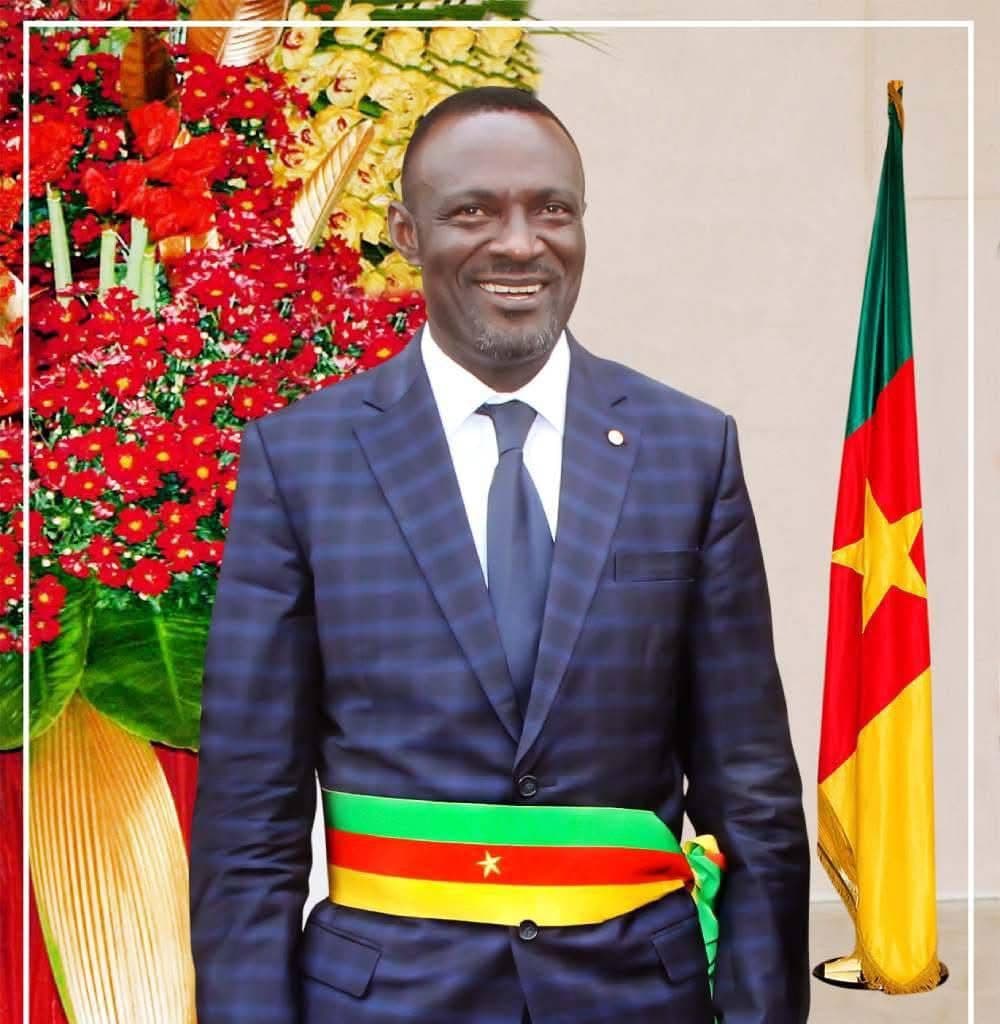
"I warmly invite the Cameroonian diaspora to partner with us in transforming our city. Kumba holds immense potential in agriculture, trade, and urban development. Together, through innovation, investment, and shared expertise, we can build a mordern, resilient, and prosperous"
City Mayor
Kumba, the economic hub of Cameroon's Southwest Region, is a vibrant agricultural and commercial city with strong growth potential. Under the leadership of Gregory Ntemoyok Mewanu, the City Council is driving key projects including road rehabilitation, portable water expansion, mordern waste management systems, and agro-processing development, aimed at improvig livelihoods and attracting sustainable investment opportunities.
Interlocuteur dédié (email, tel…)
Mise à disposition de locaux et matériels
Travail ou collaboration à distance
Accès à un réseau de prestataires agrées
Collectivité locale
Common Wealth Avenue, Kumba Town
Agbor Solomon Arrey
Director of Administration and Finance(DAF)
Aucun document disponible

This mission aims to significantly improve public health outcomes in Kumba, focusing on critical areas such as access to basic healthcare, robust disease prevention, and improved health infrastructure. Kumba faces significant challenges, including the prevalence of endemic diseases such as malaria, respiratory infections, and waterborne illnesses, which disproportionately affect vulnerable populations. Limited access to safe drinking water and sanitation further exacerbates these health risks in many neighborhoods. While public health campaigns, supported by NGOs (e.g., Cameroon Baptist Convention Health Services, Doctors Without Borders) and local authorities, are underway for HIV testing, maternal and child health, malaria prevention (mosquito nets), and vaccinations, a critical deficit remains in health infrastructure, medical equipment, skilled personnel, and modern health facilities.

This mission aims to engage the diaspora in addressing the major environmental challenges facing Kumba, a city grappling with rapid growth and inadequate infrastructure management. These challenges include solid waste management, wastewater and flood control, deforestation, air pollution, and the uncontrolled use of plastics. The goal is to transform Kumba into a cleaner, more resilient, and sustainable city through concrete actions funded by the diaspora.
Cette mission vise à doter les équipes municipales de Kumba, Cameroun, des compétences nécessaires pour accélérer le développement économique et urbain de la ville. En réponse aux besoins identifiés, le programme se concentre sur plusieurs domaines stratégiques : le développement et la mise en œuvre d'une stratégie de marketing territorial pour attirer investisseurs et partenaires ; le renforcement des compétences en gestion de projet et en ingénierie financière pour sécuriser des financements ; l'amélioration de l'urbanisme, de la gestion des déchets et de la mobilité ; la promotion de la digitalisation des services publics et de la gouvernance électronique ; le soutien à l'entrepreneuriat local et à la gestion des PME ; et le développement de la coopération internationale et de la diplomatie des villes. L'objectif est de transférer des compétences et méthodologies modernes pour transformer Kumba en un pôle de croissance résilient.
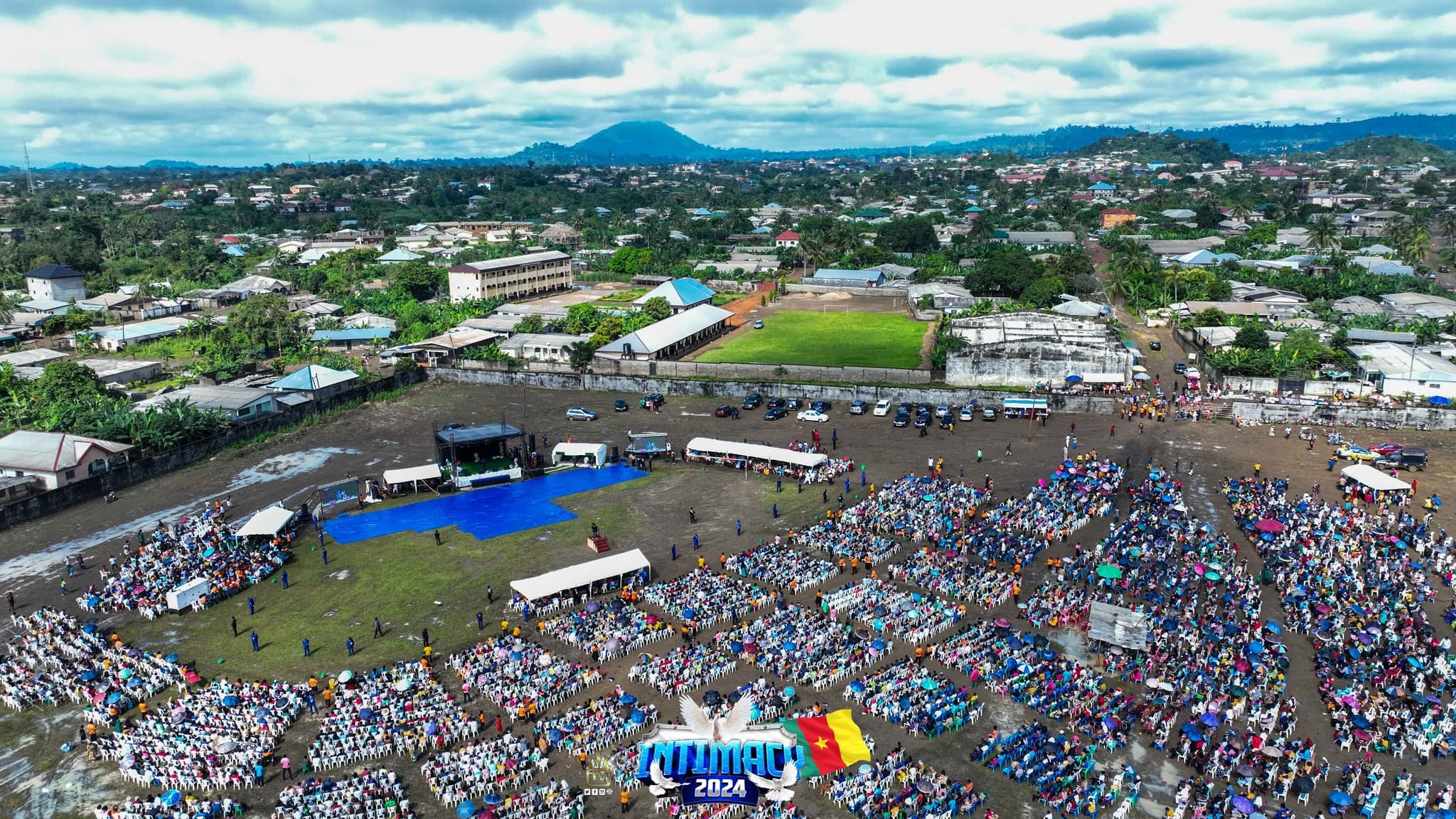
The city of Kumba boasts a vibrant cultural life, rich in urban and gospel music concerts, traditional festivals (Bakossi, Mbonge), and sporting and cultural tournaments. However, this dynamism remains largely local and unstructured, lacking major events with national or international reach. This mission aims to capitalize on this potential by helping to formalize and develop these local initiatives. The objective is to transform existing cultural activities into structured events, such as an annual Kumba Festival or a Southwest Cultural Week, which can attract a wider audience and provide professional platforms for emerging talent.

The city of Kumba is seeking to enhance its international profile, which is currently being structured. The goal is to revitalize decentralized cooperation partnerships to finance local development projects (education, health, sanitation, urban planning). While initiatives exist through humanitarian and NGO programs, formal twinning arrangements are limited. The diaspora is a key driver for accelerating this projection as a bridge between Kumba and the world.

The city of Kumba (Cameroon), a dynamic commercial hub, faces a largely informal and under-industrialized economy, limiting local value creation and job creation. This mission aims to mobilize investment, expertise, and diaspora networks to develop formal, high-impact businesses. The objective is to stimulate the processing of agricultural products (cocoa, palm oil, cassava), modernize commercial and logistical infrastructure, and address urban development, health, and education needs in Kumba by creating sustainable, job-generating SMEs.

La ville de Kumba, au Cameroun, est confrontée à des défis importants en matière de pauvreté, de santé, d'éducation et d'autonomisation. Des organisations de la société civile locales, telles que CARITAS Kumba, le Cameroon Baptist Convention Health Services (CBCHS) et Youth Empowerment Programmes (YEP), jouent un rôle crucial pour y remédier. Cette mission vise à renforcer leurs capacités opérationnelles et financières, en mobilisant la diaspora pour amplifier leur impact sur le bien-être social et le développement économique durable de Kumba.
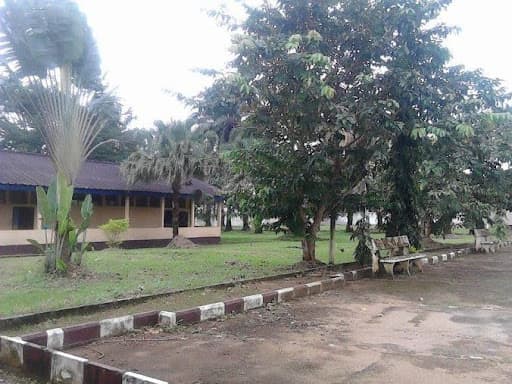
In Kumba, South-West Region, numerous schools (primary and secondary, urban and rural) face critical challenges including aging and damaged infrastructure (roofs, classrooms), severe overcrowding (60-80 students/class), and a dire lack of essential facilities like desks, clean water, and adequate sanitation. The ongoing crisis and population pressure have exacerbated these issues, leading to poor learning conditions and health risks for students. This project aims to address these urgent needs by rehabilitating existing structures, constructing new classrooms, providing essential equipment, and improving water, sanitation, and digital access for a significant number of students across the affected areas.
In Kumba, young people face major challenges such as unemployment, a lack of suitable training, and limited socio-cultural spaces. The central project is the construction of a new football stadium, designed as a hub for sports, talent identification, and strengthening social cohesion. Beyond this infrastructure, the mission aims to create a comprehensive ecosystem for youth empowerment, integrating vocational training, entrepreneurship, and access to concrete opportunities. The diaspora is invited to play a key role in amplifying this impact.